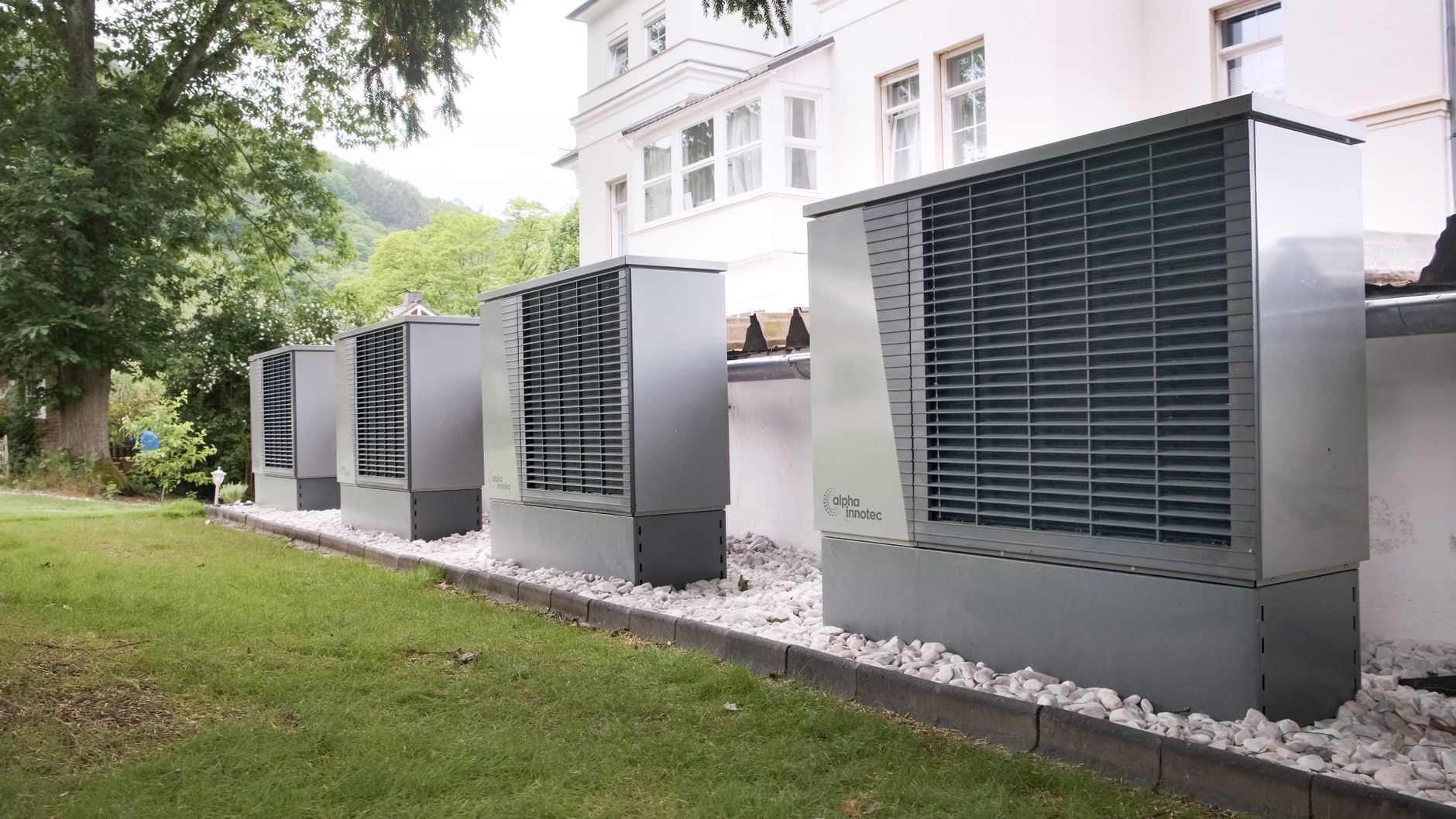
Heat pumps and solar panels are the most powerful home energy combination available to UK homeowners — and since the Boiler Upgrade Scheme grant was raised to £7,500, the economics have finally stacked up for most households. A heat pump running on solar electricity achieves an effective coefficient of performance of 15 or higher: £15 of heating value for every £1 of solar generation cost. This guide explains how to size the two systems together, what to expect in each season, and how to maximise the return on your investment.

A well-matched solar and heat pump system can reduce home energy bills by 60–80% compared to a gas-heated home on standard electricity tariffs — and cut carbon emissions from heating to near zero.
Key Takeaways
- A heat pump running on solar electricity achieves an effective COP of 15–20 or higher — the most efficient home heating available anywhere
- Solar panels sized to cover 40–60% of annual heat pump demand typically offer the best financial return in UK conditions
- The Boiler Upgrade Scheme (£7,500 grant for heat pumps) can be combined with solar for a comprehensive home energy upgrade
- Spring and autumn are the sweet spot: heat pump demand is moderate while solar generation is strong
- A 5–8kWp solar system is the typical recommendation to meaningfully offset a 5–10kW air source heat pump
- Heat pump + solar + battery storage can reduce a typical UK home’s energy bills by £1,500–£2,500 per year versus a gas boiler
Why Heat Pumps and Solar Panels Work So Well Together in the UK
The fundamental reason the pairing works is timing. Air source heat pumps (ASHPs) are most efficient and most heavily used during the day — running in long, low-intensity cycles to maintain house temperature rather than short, intense bursts. Solar panels generate electricity precisely during those daytime hours. In spring and autumn — when outdoor temperatures require meaningful heating and solar irradiance is still reasonable — the overlap between heat pump demand and solar generation is significant.
The Energy Saving Trust’s heat pump guidance notes that a typical 8–12kW ASHP running at an average COP (Coefficient of Performance) of 3.0 produces 3 units of heat for every 1 unit of electricity consumed. When that electricity comes from solar panels rather than the grid, the effective cost of heating drops to near zero during generation hours, and carbon emissions from the heating system fall dramatically.
There is also a battery dimension: a home battery charged by solar during the day can discharge to power the heat pump during evening and early morning hours, extending the overlap further. Our home battery storage guide covers whether adding a battery makes economic sense for your specific situation.
How COP Changes When You Add Solar
COP — the Coefficient of Performance — measures how efficiently a heat pump converts electricity into heat. A COP of 3.0 means three units of heat for every one unit of electricity. The higher the COP, the cheaper and cleaner the heating. COPs are highest when outdoor temperatures are mild (spring/autumn) and lowest in cold winters — which means the COP is highest precisely when solar generation is also best.
When solar covers the electricity input to the heat pump, the “effective COP” — from the perspective of your energy bill — becomes essentially infinite for those hours: you are generating heat from sunshine at no marginal cost. For the hours when grid electricity is needed (winter evenings, cold nights), the heat pump’s standard COP still makes it significantly cheaper to run than a gas boiler on current electricity and gas price relativities.
In practice, homeowners with a well-designed 4–5kW solar system and an 8–10kW ASHP in a well-insulated home report solar covering 30–50% of the heat pump’s annual electricity demand — meaning 30–50% of their heating is effectively free after the system payback period.
How to Size Your Solar System to Cover Heat Pump Electricity Demand
Getting the sizing right is critical. Undersizing solar means you miss the opportunity to offset heat pump running costs; oversizing means you export surplus electricity at low SEG rates when you could have saved the capital cost.
Step 1: Estimate Your Heat Pump’s Annual Electricity Consumption
A typical 3-bedroom semi-detached with good insulation (EPC C) and an 8kW ASHP will consume roughly 3,000–4,000 kWh/year of electricity for space heating and hot water. Add this to your baseline household electricity consumption (typically 2,500–4,000 kWh/year for a family home) to get your total annual demand: often 5,500–8,000 kWh/year for a heat-pump household.
Step 2: Match Solar Generation to Demand
A 1kWp solar system generates approximately 850–950 kWh/year in the UK (higher in the south, lower in Scotland). Based on this:
| Solar System Size | Annual Generation (South UK) | Annual Generation (North UK) | Share of 6,000 kWh/yr Demand Covered |
|---|---|---|---|
| 4kW (10–13 panels) | ~3,600 kWh | ~3,100 kWh | ~52–60% |
| 5kW (13–16 panels) | ~4,500 kWh | ~3,900 kWh | ~65–75% |
| 6kW (16–20 panels) | ~5,400 kWh | ~4,700 kWh | ~78–90% |
The critical nuance is that not all generated electricity coincides with heat pump demand — some generation happens in summer when the heat pump is off, and some demand occurs at night when panels are dark. A self-consumption rate of 40–60% is realistic without a battery; with a battery, this rises to 60–80%. For heat pump households, a 5–6kW solar system is generally the sweet spot, maximising offset while still leaving room for SEG export income from summer surplus.
Use our solar savings calculator to model your specific situation — you can enter your current and projected electricity demand to get a tailored system size recommendation.
Heat Pump and Solar Costs in 2026
The combined cost of a heat pump and solar installation is significant — but so is the combined government support available. Here is a realistic cost picture for a typical 3-bed home:
| Component | Typical Cost (before grants) | Grant / Relief Available | Net Cost |
|---|---|---|---|
| 8–10kW Air Source Heat Pump (supply, install, hot water cylinder) | £10,000–£15,000 | £7,500 Boiler Upgrade Scheme | £2,500–£7,500 |
| 5kW Solar PV System (panels, inverter, mounting, installation) | £7,000–£9,500 | 0% VAT (saves ~£1,400–£1,900) | £5,600–£7,600 |
| Home Battery (optional, 5–10kWh) | £3,000–£8,000 | 0% VAT on battery | £2,400–£6,400 |
| Total (solar + heat pump, no battery) | £17,000–£24,500 | £8,900–£9,400 combined | £8,000–£15,000 |
The Boiler Upgrade Scheme grant is applied directly to the heat pump installation cost — your MCS-certified heat pump installer claims it on your behalf, and the cost is simply deducted from your invoice. There is no need to apply separately. For more on the BUS, see the GOV.UK BUS application guidance. For a full breakdown of solar costs specifically, see our solar panel costs guide.
The Boiler Upgrade Scheme and 0% VAT: How They Work Together
Both the Boiler Upgrade Scheme and 0% VAT are available at the same time — they target different aspects of the installation and do not compete with each other. The BUS reduces the upfront capital cost of the heat pump; 0% VAT removes the tax burden from both the heat pump and the solar installation. You can claim both simultaneously.
The BUS requires that your heat pump installer is MCS-certified, and the same MCS requirement applies to your solar installer. If you are installing both systems, it is worth asking whether a single contractor can supply and install both under one MCS certificate — some whole-home retrofit specialists offer this, simplifying the paperwork and potentially reducing costs through a single mobilisation.