Smart Export Guarantee UK: Rates, Rules & How to Apply in 2026
August 29, 2026•admin•12 min read
The Smart Export Guarantee pays you for every unit of solar electricity you send back to the grid — but rates vary from 1p to over 24p/kWh depending on which supplier and tariff you choose. Getting the right SEG deal can add £100–£400 a year to your solar returns. This guide covers current rates from all major UK suppliers, how to apply, the difference between fixed and flexible tariffs, and how to maximise what you earn.
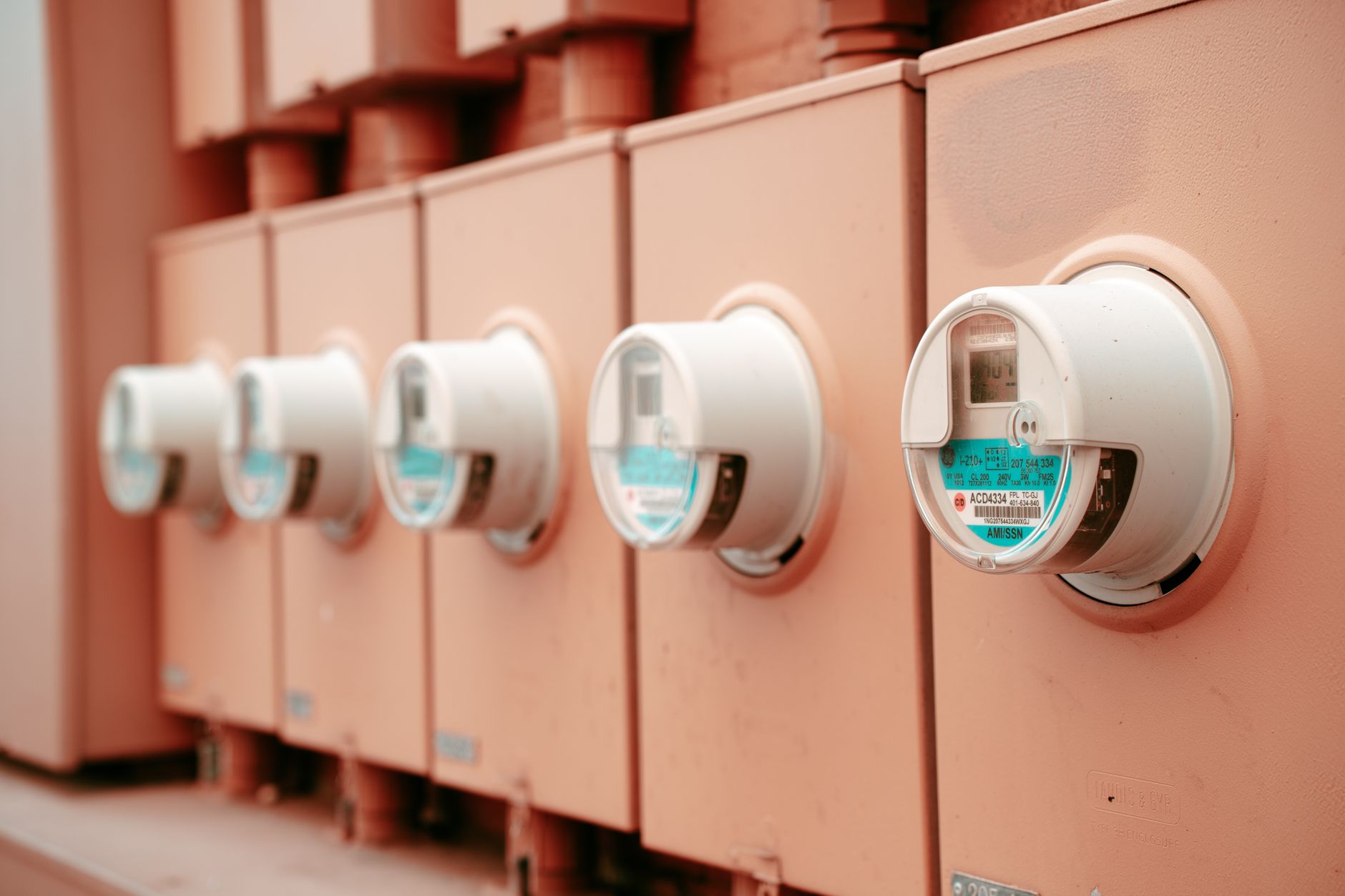
Photo: Connor Scott McManus / Pexels
The best SEG tariffs in 2026 pay between 15p and 24p per kWh for exported solar electricity. A 4kW solar household exporting 1,800 kWh/year could earn £270–£430 annually — before any bill savings are counted.
Key Takeaways
The Smart Export Guarantee pays solar owners for every kWh exported to the grid — rates range from 1p to over 24p/kWh
You must have a smart meter and MCS-certified installation to qualify for SEG payments
Octopus Flux and Agile export tariffs currently offer the highest potential SEG rates for battery storage owners
Fixed-rate SEG tariffs offer certainty; flexible tariffs can earn more but require active management
The average UK solar home exports around 50% of its generation — optimising self-consumption is usually better than maximising export
You can switch SEG provider at any time without penalty — always worth reviewing rates annually
What Replaced the Feed-in Tariff?
The Feed-in Tariff (FiT) was the original UK solar export payment scheme, running from 2010 to 2019. It paid a generation tariff (per unit generated, whether used or exported) plus a separate export payment, at rates that were very generous in the early years. The FiT closed to new applicants in March 2019. Existing FiT recipients continue to receive payments under their original contracts — this is unaffected by the SEG.
The Smart Export Guarantee launched on 1 January 2020 as the FiT’s successor, with one key structural difference: the government sets the framework, but energy suppliers set their own rates. Ofgem mandates that all licensed energy suppliers with more than 150,000 customers must offer a SEG tariff, but the rate — and its structure (fixed or flexible) — is left to commercial competition. Ofgem’s SEG guidance sets out the rules in full.
The only thing Ofgem requires is that the rate must be above zero — suppliers cannot pay nothing. Beyond that, rates vary considerably, which is why shopping around matters.
SEG Eligibility: What You Need to Qualify
To receive SEG payments, you must meet the following conditions:
MCS-certified installation: Your solar system must have been installed by an MCS-certified installer and registered on the MCS database. This is non-negotiable — without an MCS certificate, no supplier will accept your SEG application. If you’re still choosing an installer, our guide to MCS-certified installers explains what to look for.
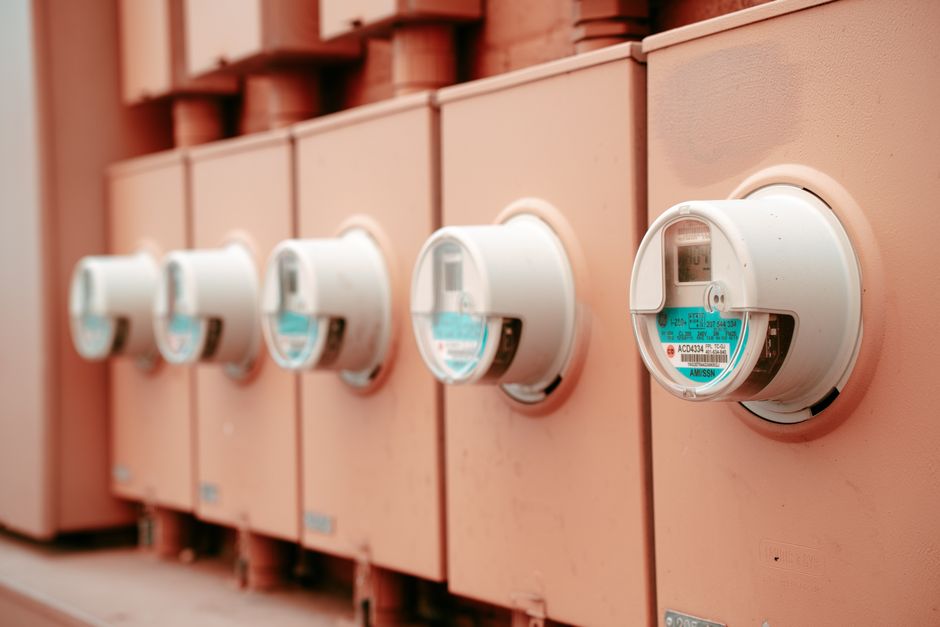
Smart meter: You must have a smart meter capable of half-hourly export metering. This is because suppliers pay for electricity actually exported, not a deemed export figure. If you don’t have a smart meter, contact your energy supplier — installation is free and usually takes around an hour.
System size: Your system must be under 5MW in capacity (all residential installations comfortably meet this).
Battery storage note: If you have a battery, some suppliers impose conditions — for example, requiring that only solar-generated electricity (not grid-charged electricity) can be exported and claimed. Check the supplier’s T&Cs carefully if you have or plan to add a battery.
Current Smart Export Guarantee Rates: UK Supplier Comparison (2026) (2026)
SEG rates change frequently and differ between fixed and flexible (time-varying) structures. The table below reflects typical rates available in mid-2026 — always check directly with the supplier for the current rate before applying, as these are updated regularly.
Supplier
Tariff Name
Rate Structure
Export Rate
Notes
Octopus Energy
Outgoing Octopus Fixed
Fixed
~15p/kWh
Simple, consistent; no smart meter requirement beyond basic half-hourly read
Octopus Energy
Outgoing Agile
Flexible (half-hourly)
Varies; can exceed 30p/kWh at peak
Best rate for households that can shift export to peak grid demand times
E.ON Next
Next Export Exclusive
Fixed
~15p/kWh
Available to existing E.ON Next import customers
British Gas
Export & Earn
Fixed
~12–14p/kWh
Widely available; rates have historically been lower than independents
EDF Energy
Export Tariff
Fixed
~12p/kWh
Standard offering; competitive for EDF import customers
Scottish Power
Solar Export Tariff
Fixed
~12p/kWh
Available to all MCS-certified systems
Ovo Energy
Drive + Solar
Fixed
~15p/kWh
Part of a combined import/export package
Good Energy
Solar Sending Tariff
Fixed
~20–24p/kWh
Premium rate; Good Energy specialism in renewables; may require import contract
The headline finding: Octopus Energy’s Outgoing Agile and Good Energy’s Solar Sending Tariff consistently offer the best rates for most solar households. The big six suppliers (British Gas, EDF, Scottish Power, E.ON) tend to offer lower fixed rates and are worth choosing only if you’re already a customer and switching would otherwise incur exit fees.
Fixed vs Flexible SEG Tariffs: Which Earns UK Solar Owners More?
This is the most consequential decision in choosing a SEG tariff.
Fixed Rate SEG
You receive the same pence-per-kWh rate regardless of when you export. Simple to understand, easy to budget for, and requires no behaviour change. If your solar system exports at a steady rate throughout the day, a fixed tariff is predictable and low-effort. Rates of 12–20p/kWh are available.
Flexible (Time-of-Use) Rate SEG
With Octopus Outgoing Agile, for example, your export rate changes every 30 minutes based on wholesale electricity prices. During periods of high grid demand (typically 4pm–7pm in winter), export rates can reach 30p/kWh or higher. In periods of surplus (sometimes sunny summer afternoons), rates may fall to near zero or even go negative.
Flexible tariffs reward households that can manage their export — for example, by charging a battery during the day and releasing it to the grid during peak hours, or by timing appliances carefully. Without a battery or smart management system, flexible tariffs are harder to benefit from, since solar export naturally peaks around midday when grid prices are often lower.
Bottom line: If you have a battery and a smart home energy management system, a flexible SEG tariff can significantly outperform a fixed rate. Without a battery, a good fixed rate from Good Energy or Octopus Fixed is typically the better, simpler choice.
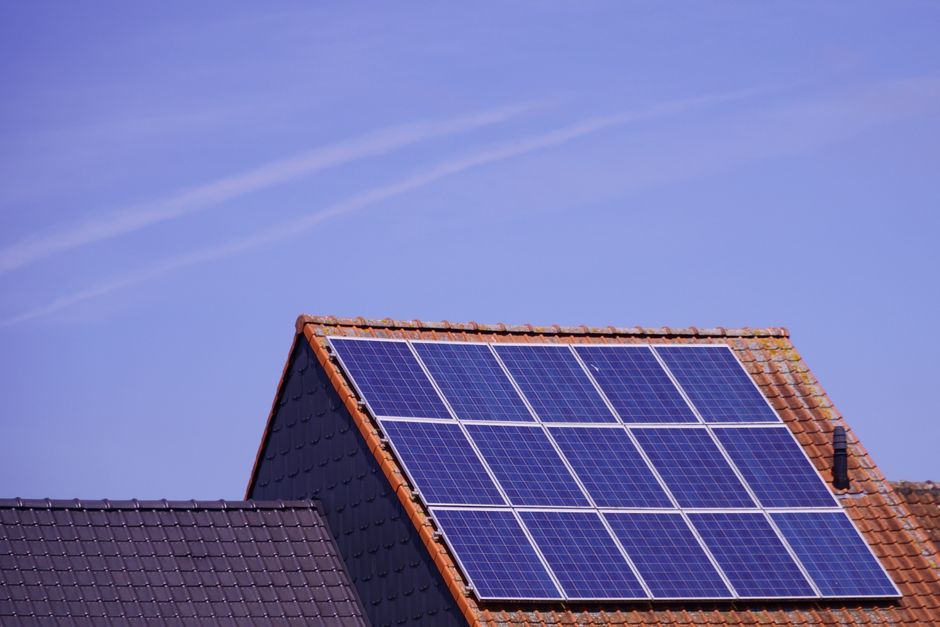
Photo: Budget Bizar / Pexels
How to Apply for the Smart Export Guarantee
The application process is straightforward once your system is installed and MCS-certified:
Step 1 — Get your MCS certificate: Your installer should provide this within a few days of installation. It will include your system’s MCS number, capacity, and installation date. Keep this document — you’ll need it for every SEG application.
Step 2 — Get a smart meter if you don’t have one: Contact your energy supplier to arrange free installation. This may take a few weeks depending on availability in your area.
Step 3 — Compare SEG tariffs: You don’t have to use your current energy supplier for the SEG. You can use any supplier offering an SEG tariff — your import and export suppliers can be different companies.
Step 4 — Apply directly to your chosen supplier: Most suppliers have an online SEG application form. You’ll need your MCS certificate number, installation address, system capacity, and smart meter MPAN.
Step 5 — Start exporting and getting paid: Most suppliers pay SEG earnings quarterly by bank transfer or account credit. Check your first payment carefully against your smart meter’s export data to verify the rate is being applied correctly.
How Much Can You Earn from the SEG?
Your SEG earnings depend on how much electricity you export. The more you self-consume (use in your home directly), the less you export and the less you earn from SEG — but self-consumption is more valuable because it offsets electricity you’d otherwise buy at 24p/kWh, while the best SEG rate is typically 15–20p/kWh. The Energy Saving Trust’s solar guidance provides useful benchmarks for typical export percentages by household type.
A rough estimate for a 4kW south-facing system:
Without battery: exports ~55–65% of generation = ~2,000–2,300 kWh/year. At 15p/kWh: £300–£345/year.
With battery: exports ~20–30% of generation = ~720–1,100 kWh/year. At 15p/kWh: £108–£165/year.
This illustrates a key trade-off: adding a battery reduces SEG income but increases self-consumption savings, which are worth more per unit. Most financial models show adding a battery still improves overall returns, despite the lower SEG earnings. Use our solar savings calculator to model your specific scenario.
Tips to Maximise Your SEG Earnings
Switch supplier for SEG: You are not required to use your existing energy supplier. Check whether Good Energy or Octopus offers a better rate than your current provider.
Review your tariff annually: SEG rates change. Set a reminder to compare rates each year — switching SEG supplier takes minutes and requires no new installation work.
Monitor your smart meter export data: Most suppliers’ apps or in-home displays show your export figures. Cross-check this with your quarterly payment to ensure you’re being paid correctly.
Consider time shifting with a battery: If you switch to a flexible export tariff, a battery that can discharge to the grid during peak-price periods (4–7pm) can substantially increase earnings. This requires a battery and inverter that support grid export.
Maximise your solar generation: Clean panels perform significantly better than dirty ones. A quick hosing down in spring and after dusty or pollen-heavy periods can recover 5–10% of lost output.
Summary: Smart Export Guarantee in the UK
The Smart Export Guarantee is a well-designed scheme that ensures solar households receive a fair payment for electricity they contribute to the grid. The best rates in 2026 — from Octopus Energy and Good Energy — sit at 15–24p/kWh on fixed tariffs, with flexible Agile rates that can go higher during peak demand. To qualify, you need an MCS-certified installation and a smart meter. You don’t need to use your existing energy supplier for SEG, and shopping around can meaningfully improve your annual earnings.
If you haven’t yet installed solar and want to understand the full financial picture, our solar panel costs guide covers upfront pricing in detail. Ready to see how the numbers work for your home? Our free savings calculator combines SEG income, bill savings, and system cost into a single payback estimate tailored to your situation. You can also browse all our resources on the guides index.
To provide the best experiences, we use technologies like cookies to store and/or access device information. Consenting to these technologies will allow us to process data such as browsing behavior or unique IDs on this site. Not consenting or withdrawing consent, may adversely affect certain features and functions.
Functional
Always active
The technical storage or access is strictly necessary for the legitimate purpose of enabling the use of a specific service explicitly requested by the subscriber or user, or for the sole purpose of carrying out the transmission of a communication over an electronic communications network.
Preferences
The technical storage or access is necessary for the legitimate purpose of storing preferences that are not requested by the subscriber or user.
Statistics
The technical storage or access that is used exclusively for statistical purposes.The technical storage or access that is used exclusively for anonymous statistical purposes. Without a subpoena, voluntary compliance on the part of your Internet Service Provider, or additional records from a third party, information stored or retrieved for this purpose alone cannot usually be used to identify you.
Marketing
The technical storage or access is required to create user profiles to send advertising, or to track the user on a website or across several websites for similar marketing purposes.