How-To
Solar Panels for Self-Build Homes in the UK
Self-build is the best opportunity to integrate solar properly — before walls go up and cables get buried. Here is…
September 30, 2026
Read more →
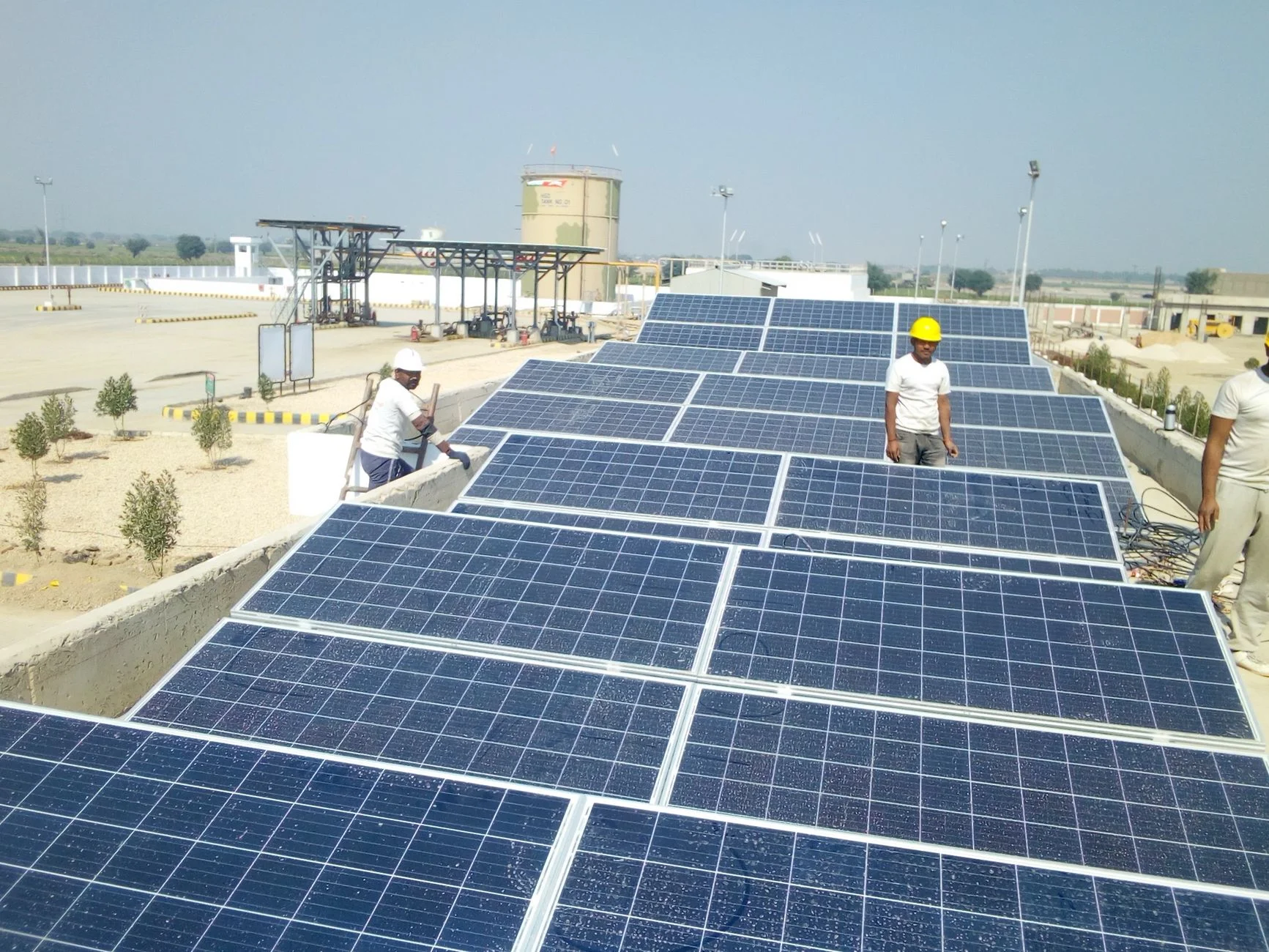
Solar panel maintenance in the UK is genuinely low-effort compared to most home systems. Panels have no moving parts, need no fuel, and the UK’s frequent rainfall does a reasonable job of keeping them clean. That said, “low maintenance” is not the same as “zero maintenance.” Bird fouling, inverter faults, loose connections, and accumulating soiling can quietly erode your system’s output — sometimes by 5–10% — without triggering any obvious alarm. This guide tells you what to check, how often, and what it should cost.
The Energy Saving Trust recommends cleaning solar panels once or twice a year in most UK locations. Rainfall handles light dust and general atmospheric soiling reasonably well, but it cannot shift bird droppings, moss, lichen, or the streak marks left by hard water. A single large bird dropping over a cell cluster can reduce overall panel output by 2–4% — disproportionate to the area it covers, due to how panels wire together internally.
If your panels are accessible from a ladder and you are comfortable working at height, cleaning is straightforward. Use a soft-bristle brush or squeegee on an extension pole, warm water (no detergent needed), and rinse thoroughly. Avoid abrasive materials, high-pressure washers, and any cleaning agents not approved by the panel manufacturer — aggressive chemicals can degrade the anti-reflective coating. Clean in the morning or evening, not in midday sun, to avoid thermal shock to the glass and to prevent water drying too quickly in streaks.
Never walk on panels. Do not lean a ladder directly against them. If the roof is not safely accessible, hire a specialist solar cleaning company rather than risk a fall.
Professional solar panel cleaning typically costs £50–£150 for a standard residential system, depending on system size, roof access difficulty, and location. Many solar installers offer cleaning as an add-on service. Some companies use pure de-ionised water fed through a telescopic pole — effective and safe for panel coatings.
Pigeons in particular love the sheltered space beneath solar panels. They nest there, their droppings foul the panels above and below, and their activity can damage cables over time. Bird-proofing — installing a mesh or spike system around the panel perimeter — is one of the most cost-effective solar maintenance investments a UK homeowner can make.
The standard solution is a UV-stabilised mesh with aluminium clips that attach to the panel frame without drilling or adhesive, so it does not affect your panel warranty. Installation typically costs £150–£400 depending on system size and installer. Once fitted, a good mesh system is virtually maintenance-free and lasts the life of the panels.
Signs you already have a bird problem: you can hear scratching or cooing from the roof, you notice significantly increased droppings on or around the system, or your monitoring app shows unexplained drops in output on sunny days. Once birds are established under panels, you will need a pest control specialist to clear the nest (and in some seasons this requires a licence) before the mesh can be fitted.
Your inverter is the most likely component to need attention during a solar system’s life. Modern string inverters from brands such as SolarEdge, SMA, and Fronius include Wi-Fi monitoring that logs daily output and flags faults in real time. Microinverters (Enphase, for example) monitor at individual panel level, making fault diagnosis even easier.
Set up your inverter’s monitoring app if you have not already, and get into the habit of checking it monthly. Key things to watch for:
Inverters typically carry a 5–12 year warranty (extendable in many cases) and have a functional life of 10–15 years. Budgeting for an inverter replacement in years 12–15 is sensible financial planning. Replacement costs range from around £500 to £1,500 depending on system size and brand. Our home battery storage guide covers hybrid inverters, which handle both solar and battery in one unit — worth understanding if you plan to add storage later.
Most solar manufacturers and industry bodies recommend a professional inspection every 1–3 years, though annual checks are ideal for older systems or those in exposed locations. A professional inspection from an MCS-certified engineer typically covers:
Professional inspection costs typically run £100–£250, depending on system size and whether cleaning is included. Many installers offer service contracts — annual inspection plus cleaning for a fixed annual fee of around £150–£300 — which makes sense for homeowners who prefer a hands-off approach.
One area that causes confusion is whether DIY cleaning or maintenance voids your panel warranty. The short answer is: it depends on what you do and what the manufacturer’s warranty says.
Most panel manufacturers permit owner cleaning using soft brushes and water, provided no abrasives or non-approved cleaning agents are used. Using a pressure washer at high pressure, applying undiluted chemicals, or physically damaging the frame or glass can void the product warranty. Check your panel manufacturer’s maintenance guidance — it is usually available on their website — before cleaning, and keep a record of any professional cleaning work carried out.
For warranty claims — whether for panel defects or output degradation — you will typically need to demonstrate that the system has been reasonably maintained. A basic log of cleaning dates and annual inspection records provides useful evidence if a claim arises. The Which? guide to solar panel consumer rights covers what you are entitled to under UK consumer law and under manufacturer warranty terms.
| Task | Frequency | DIY possible? | Professional cost |
|---|---|---|---|
| Panel cleaning | 1–2 × per year | Yes (if safely accessible) | £50–£150 |
| Bird-proofing (one-off) | Once (ideally early) | No — specialist needed | £150–£400 |
| Inverter monitoring | Monthly (via app) | Yes — free via app | N/A |
| Professional inspection | Every 1–3 years | No | £100–£250 |
| Inverter replacement | Around year 12–15 | No — qualified engineer required | £500–£1,500 |
Over a 25-year system life, budget roughly £1,500–£3,000 in total maintenance costs (excluding any major component replacement). This is modest relative to the £15,000–£25,000 in electricity savings a well-maintained 4 kWp system can generate over the same period. For a full picture of the financial return, try our solar savings calculator, and check our full guides library for more on maximising your system’s long-term performance.
The Ofgem guidance on verifying energy companies is also worth reviewing before hiring any maintenance contractor — the solar servicing market attracts some less reputable operators.
Self-build is the best opportunity to integrate solar properly — before walls go up and cables get buried. Here is…

Garage and outbuilding roofs are often better solar locations than the main house — south-facing, unshaded, and away from chimney…

A solar immersion diverter routes excess solar electricity to your hot water cylinder, cutting your gas or electric immersion costs.…