How-To
Solar Panels for Self-Build Homes in the UK
Self-build is the best opportunity to integrate solar properly — before walls go up and cables get buried. Here is…
September 30, 2026
Read more →
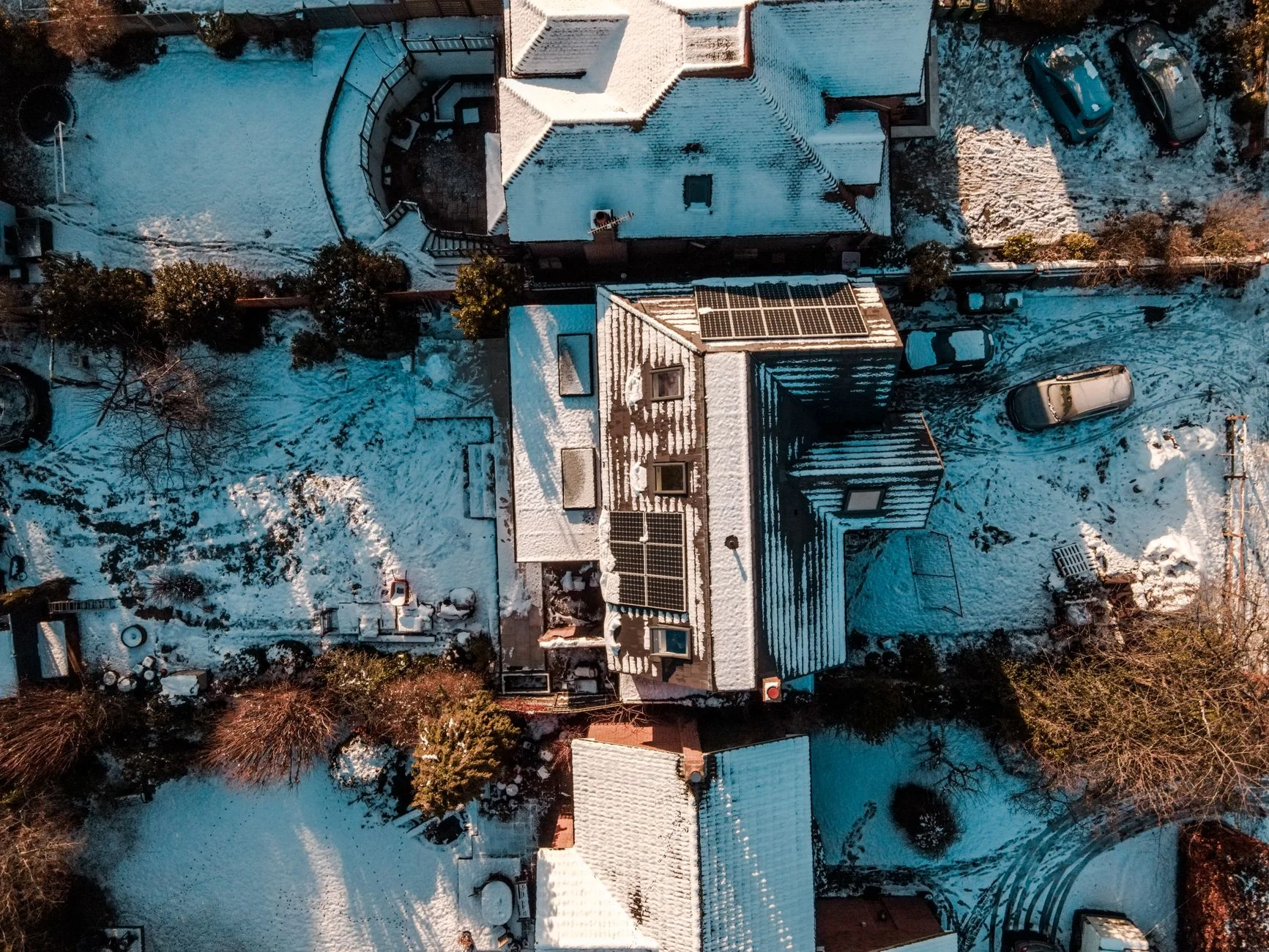
Planning permission for solar panels trips up far fewer UK homeowners than you might expect. The vast majority of domestic installations qualify as permitted development — meaning no planning application is needed. But listed buildings, conservation areas, and large ground-mounted arrays all have different rules. Getting it wrong can mean an enforcement notice requiring you to remove the panels at your own expense. This guide covers the rules for England, Scotland, and Wales, with a quick-reference table of when permission is and is not required.
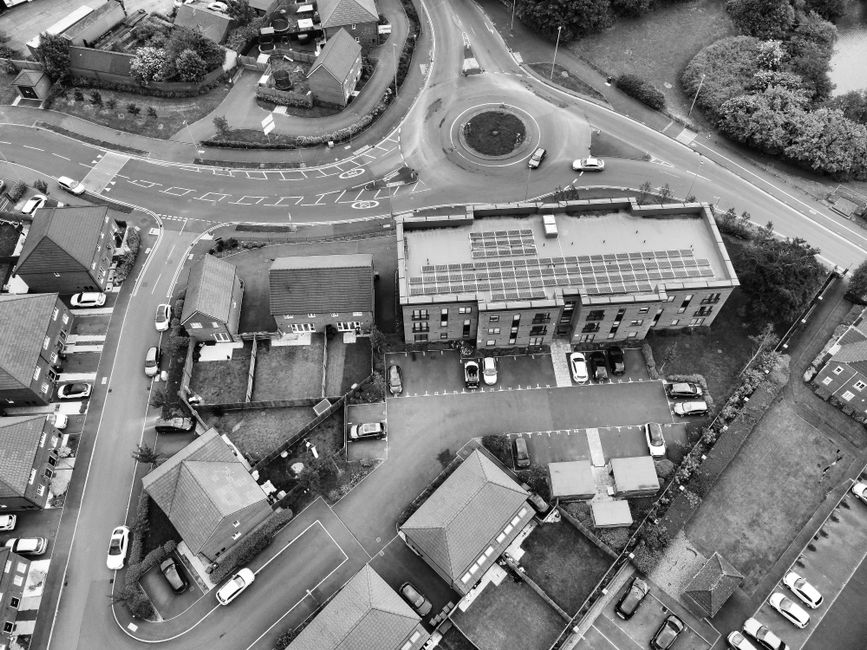
In England, solar panels on a house or flat fall under Class A of Schedule 2, Part 14 of the Town and Country Planning (General Permitted Development) (England) Order 2015. In plain language, this means you can install solar panels without applying for planning permission, provided you meet a set of conditions. The UK Government’s planning guidance sets out these conditions in full.
The conditions for permitted development in England are:
In practice, virtually all standard residential rooftop installations satisfy these conditions. A typical sloping roof installation sits within 50–100mm of the roof surface, well within the 200mm limit. Standard panels on standard roofs in standard residential areas will be permitted development.
There are specific circumstances where permitted development rights do not apply and you will need to submit a planning application. Ignoring these requirements is not just risky — it can result in an enforcement notice requiring you to remove the panels at your own cost.
If your home is a listed building (Grade I, Grade II* or Grade II in England), permitted development rights for solar panels are removed entirely. You need both planning permission and Listed Building Consent before installation. This applies to the whole listed structure, including outbuildings that form part of the listing.
This does not mean solar is impossible on listed buildings — it means you need to make a case to your local planning authority (LPA) that the installation does not harm the character of the building. Panels mounted on rear slopes, hidden from public view, using low-profile in-roof systems, are more likely to gain consent than prominent front-elevation panels. Historic England has published guidance to assist LPAs and applicants, and some listed building owners have successfully installed solar. Expect the process to take 8–13 weeks and to require specialist heritage advice.
If your property is within a designated conservation area, permitted development rights are partially restricted. Specifically, you cannot install solar panels on a wall or roof slope that fronts a highway without planning permission. Rear slopes are typically still permitted development. Check with your LPA to confirm which elevations of your specific property are visible from a highway — the definition is broader than you might expect and can include side streets and footpaths.
Some conservation areas have Article 4 Directions that remove additional permitted development rights beyond the standard conservation area restrictions. Check your LPA’s website or the planning portal to see whether an Article 4 Direction applies to your street.
On flat-roofed properties, panels and their supporting structure must sit at least 1 metre back from the edge of the roof. If the only viable installation would place panels within that margin — common on smaller flat-roofed extensions or outbuildings — you will need planning permission. The 200mm protrusion limit also applies, measured from the roof surface, which catches some higher-angle mounting frames.
Ground-mounted systems have their own permitted development rules under Class B of Schedule 2, Part 14. A ground-mounted system is permitted development if it is no larger than 9 square metres in panel area (roughly 4 standard panels), no more than 4 metres in height, and situated at least 5 metres from the property boundary. Larger ground arrays require planning permission. Ground-mounted systems are also not permitted development in conservation areas, Areas of Outstanding Natural Beauty, World Heritage Sites, or the grounds of listed buildings.
| Property / Scenario | Planning Permission? | Additional Consent? | Key Condition |
|---|---|---|---|
| Standard house, pitched roof, non-designated area | No — permitted development | No | Panels must not protrude >200mm beyond roof plane |
| Standard house, flat roof, non-designated area | No — permitted development | No | Panels must sit ≥1m from roof edge |
| Conservation area, rear/side slope (not visible from highway) | No — permitted development | No | Check for Article 4 Directions with your LPA |
| Conservation area, front/highway-facing slope | Yes | No | Submit householder planning application |
| Listed building (Grade I, II* or II) | Yes | Yes — Listed Building Consent | Heritage impact statement strongly advisable |
| Ground-mounted array, ≤9m² panel area | No — permitted development | No | Must be ≥5m from boundary and ≤4m high |
| Ground-mounted array, >9m² panel area | Yes | No | Applies in all areas including non-designated |
| AONB, National Park, World Heritage Site | Check with your LPA | May apply | Ground mounts are not permitted development |
Scotland has its own planning system. Solar panels on houses are generally permitted development under the Town and Country Planning (General Permitted Development) (Scotland) Amendment Order 2012, subject to similar conditions to England. Key differences include:
Householders in Scotland can use the mygov.scot planning guidance to check whether a project is likely to need permission. Scottish planning authorities are generally supportive of renewable energy installations, and Solar Trade Association data shows Scotland has seen strong solar growth despite its northern latitude.
Wales uses its own permitted development framework under the Town and Country Planning (General Permitted Development) Order 1995 (as amended). Solar panels on houses in Wales are permitted development subject to conditions broadly similar to England, but there are some differences in how conservation area and listed building restrictions are applied. The Welsh Government has been actively encouraging renewable energy, and planning policy in Wales is generally favourable to solar at the domestic scale.
If you are in Wales, always check with your local planning authority or use the Planning Portal’s Wales section, as Welsh planning policy documents are distinct from those in England.
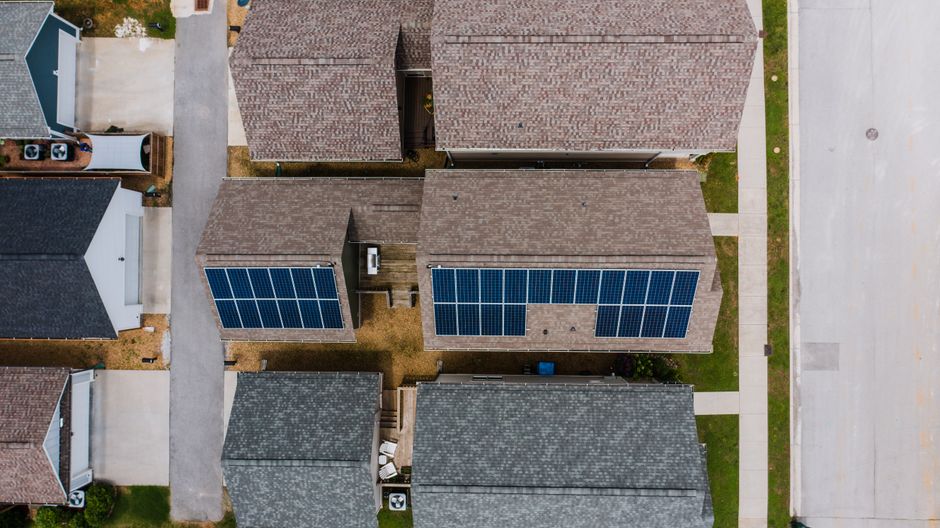
If you have established that you do need planning permission, the process is relatively straightforward for domestic solar installations. Before you apply, it is worth checking our solar panel costs guide to understand whether the additional planning cost and delay changes the overall economics of your project. Here is what to expect:
Most MCS-certified solar installers are familiar with the planning process and can advise on whether your installation requires permission. A good installer will not proceed with an installation that they know requires planning permission without confirming you have obtained it. Our guide to choosing an MCS installer explains what questions to ask before signing a contract.
Planning permission and building regulations are separate things. Most solar panel installations are exempt from building regulations in England and Wales, provided they are installed by a competent person under a recognised scheme. An MCS-certified installer can self-certify that the electrical installation meets Part P of the Building Regulations, which covers domestic electrical work. This is handled automatically — you do not need to apply separately.
You should receive an electrical installation certificate from your installer, which is the document that confirms compliance with building regulations for the electrical work. This certificate is important for insurance purposes and for when you sell your home. Keep it safe alongside your MCS certificate and product warranties. See our solar panel costs guide for more on what to expect from an MCS installation and the documentation you should receive.
Self-build is the best opportunity to integrate solar properly — before walls go up and cables get buried. Here is…
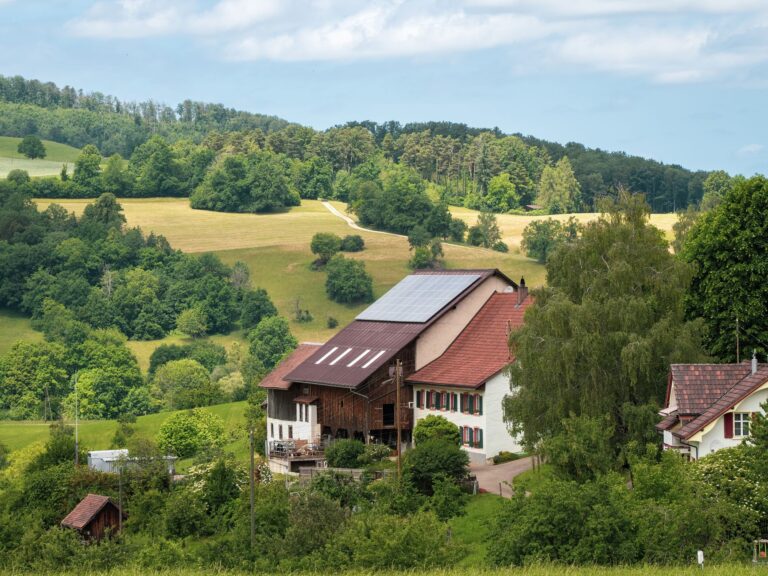
Garage and outbuilding roofs are often better solar locations than the main house — south-facing, unshaded, and away from chimney…

A solar immersion diverter routes excess solar electricity to your hot water cylinder, cutting your gas or electric immersion costs.…